Industrial Cleaning for Metalworking & CNC
Specialised cleaning for metalworking, CNC machines, lathes, milling machines. Removal of metal swarf, oil and cooling lubricants. Gentle on materials with dry ice blasting.
The cleaning challenge in metalworking
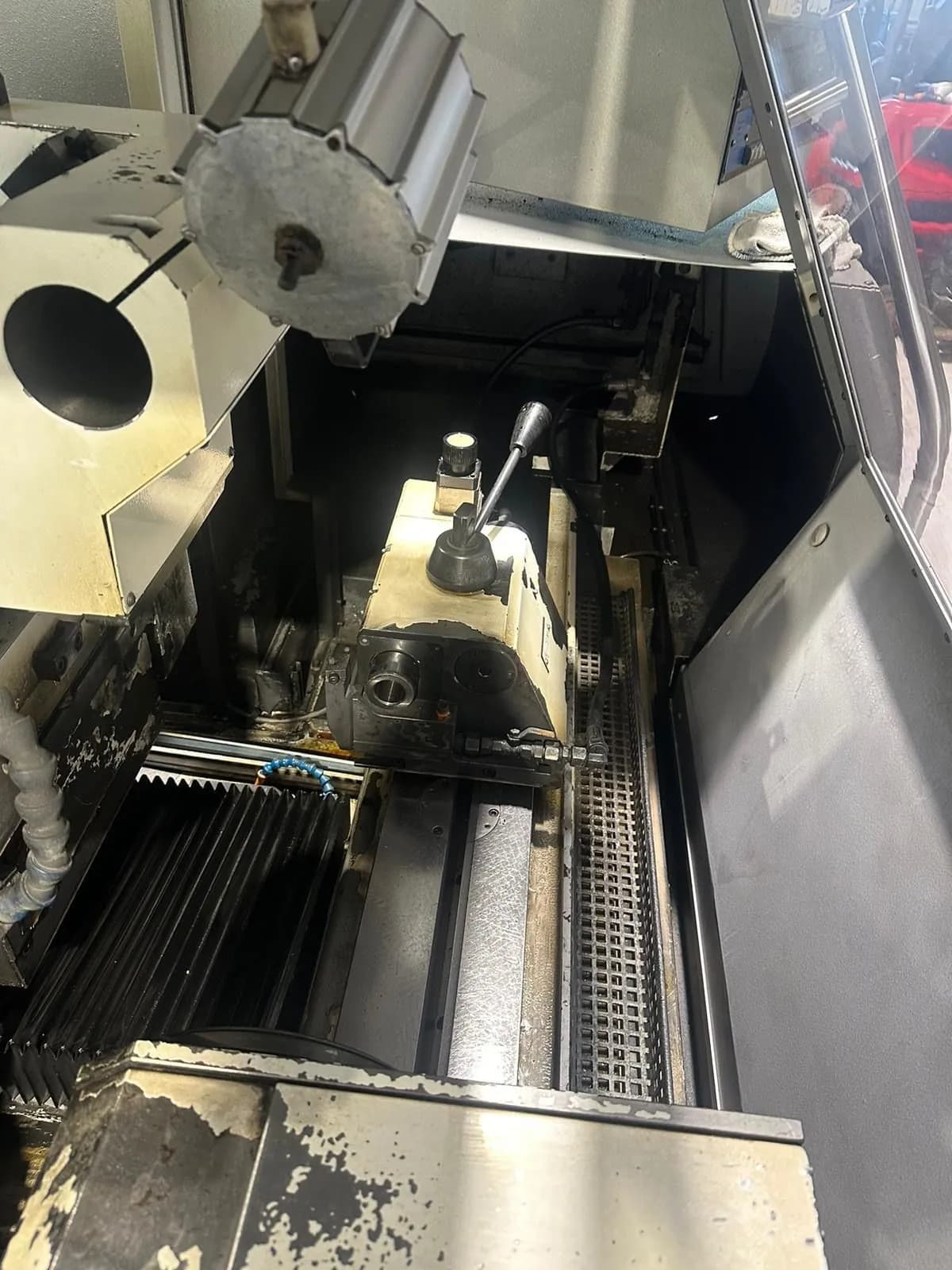
CNC machines, lathes, milling machines and machining centres produce enormous quantities of metal swarf every day, consume cooling lubricants and leave oil and grease residues on surfaces, in guideways and in hard-to-reach machine areas. Without regular, professional cleaning, serious risks arise.
Aged cooling lubricants break down and form biofilms, which can lead to corrosion and machine failures. Metal swarf in guideways or tool changers causes wear. And fire protection regulations require cleanliness standards to be met for metal dust, because metal dust can form explosive mixtures. Ferman offers specialised cleaning services that meet these requirements.
Typical contamination
Metal swarf
Turning, milling and drilling swarf from steel, aluminium, copper and brass. In machine pits, guideways, collection containers and on hall floors.
Oil & cooling lubricants
Cutting oil, coolant emulsions, hydraulic oil. Stubborn residues on machine housings, floors and work surfaces, relevant to fire protection.
Metal dust & abrasion
Grinding dust, spark particles, tool abrasion. Fine and hard to see, relevant to fire protection and air quality.
Our services for metalworking & CNC
CNC machines & machining centres
Lathes, milling machines, boring mills, CNC machining centres. Dry ice blasting for residue-free removal of oil, swarf and cooling lubricant residues, without dismantling, electrically safe, no drying time.
Production halls & floors
Machine hall cleaning: removal of metal swarf and oil from hall floors, traffic routes, machine foundations. Scrubber dryers, high-pressure cleaners and swarf collectors in use.
Tools & moulds
Clamping devices, tool holders, precision tools. Gentle cleaning without mechanical abrasion, dry ice or steam depending on requirements.
Coolant systems & collection containers
Cleaning and emptying of coolant tanks, swarf separators, coolant pumps and hoses. Preparation for coolant changes or machine maintenance.
Why dry ice blasting for CNC machines?
For cleaning CNC machines and machining centres, dry ice blasting is the superior method. CO₂ pellets (-79°C) are blasted onto the surface with compressed air and evaporate without residue on impact, leaving only the loosened dirt.
Cleaning without halting production
In metalworking, machine downtime is expensive. We plan cleaning jobs so that production is disrupted as little as possible, through segmented machine cleaning, night and weekend slots and jobs in planned maintenance windows.
With dry ice blasting, many machines can be cleaned without shutting them down completely, section by section while other machine areas keep running. This method has proven itself with our customers in the automotive supply industry and in CNC machining.
Frequently asked questions
Can you clean CNC machines without dismantling?▼
Yes. With dry ice blasting we clean CNC machines, lathes and machining centres without dismantling. The CO₂ blasting process reaches even hard-to-access areas, penetrates grooves and guideways and evaporates without residue.
How do you remove oil and cooling lubricants from machines?▼
Dry ice blasting is ideal for removing oil and coolant: gentle on materials, residue-free, without moisture. For heavily encrusted deposits, heating or pre-treatment beforehand may be necessary. For floors and machine housings we additionally use suitable industrial cleaners.
Is dry ice blasting safe for electrical components?▼
Yes. Dry ice blasting is electrically safe because no water is used. We also use it to clean switch cabinets, controls, frequency converters and electric drives, in consultation with your maintenance team and in compliance with safety regulations.
How often should CNC machines be cleaned?▼
That depends on production intensity and material. Rule of thumb: machine cleaning every 4–12 weeks, hall floor weekly or fortnightly. More often for aluminium machining (fire protection for metal dust). After an initial site visit we recommend an individual cleaning plan.
Is fire protection with metal dust an issue for cleaning?▼
Yes, absolutely. Metal dust from steel, aluminium, magnesium or titanium alloys can, under certain conditions, form explosive atmospheres. Regular cleaning of floors, machines and ventilation systems is part of the company's fire protection concept. We clean in compliance with the relevant DGUV regulations.
Services
Next step
Request a free quote
Briefly describe your needs. We are available 24/7, reply in under 2 hours and send your quote within 24 hours, often sooner.